
Pokémon Types & Type Chart
 |
 |
 |
 |
 |
 |
 |
 |
 |
 |
 |
 |
 |
 |
 |
 |
 |
 |
 |
|---|---|---|---|---|---|---|---|---|---|---|---|---|---|---|---|---|---|---|
 |
2 | ½ | ½ | ½ | ½ | ½ | 2 | ½ | 2 | ½ | ||||||||
 |
½ | ½ | ½ | 2 | 2 | |||||||||||||
 |
2 | 0 | ½ | |||||||||||||||
 |
½ | ½ | 2 | ½ | 0 | 2 | ||||||||||||
 |
2 | 2 | 2 | ½ | ½ | ½ | ||||||||||||
 |
½ | 2 | ½ | ½ | 0 | 2 | 2 | ½ | ½ | 2 | 2 | |||||||
 |
2 | ½ | ½ | 2 | 2 | ½ | 2 | ½ | ||||||||||
 |
2 | ½ | 2 | 2 | ½ | ½ | ||||||||||||
 |
½ | 2 | 0 | 2 | ||||||||||||||
 |
½ | ½ | ½ | ½ | ½ | 2 | ½ | 2 | ½ | 2 | ||||||||
 |
½ | 2 | 2 | 0 | ½ | 2 | 2 | 2 | ||||||||||
 |
2 | ½ | 2 | 2 | 2 | ½ | ½ | ½ | ||||||||||
 |
0 | ½ | ½ | |||||||||||||||
 |
2 | ½ | 2 | ½ | ½ | ½ | 0 | |||||||||||
 |
0 | 2 | 2 | ½ | ½ | |||||||||||||
 |
2 | ½ | 2 | 2 | ½ | 2 | ½ | |||||||||||
 |
½ | 2 | ½ | 2 | 2 | ½ | ½ | |||||||||||
 |
½ | 2 | ½ | 2 | 2 | ½ |
Individual Types
Type Chart
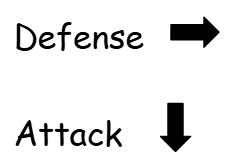
The full type chart here displays the strengths and weaknesses of each type. Look down the left hand side for the attacking type, then move across to see how effective it is against each Pokémon type.
Note: this chart is for games from 2013 onwards - Pokémon X/Y, OR/AS, Pokémon GO and Sun/Moon. Type charts for older games have some minor differences - see below.
Chart Key
No effect (0%)
Not very effective (50%)
Normal (100%)
Super Effective (200%)
Downloads
Type Chart Changes
The majority of the type chart has remained the same over the years, but there have been a few changes. In Generation 2, Dark and Steel types were added, while in Generation 6 (Pokémon X and Pokémon Y) the Fairy type was added. Below are the differences compared to the current type chart.
Generation 2-5
- There was no Fairy type.
- Ghost and Dark type moves were not very effective against Steel type Pokémon. From Generation 6 onwards they do neutral damage.
Generation 1
- There were no Dark or Steel types.
- Ghost-type moves had no effect on Psychic Pokémon. (Note that this only affected Lick as Confuse Ray and Night Shade affected all Pokémon equally.)
- Bug was super-effective on Poison and vice-versa. This was changed so that Bug is now not very effective against Poison, and Poison now does regular damage against Bug.
- Ice type moves were neutral against Fire type Pokémon. Now they are not very effective.
About Pokémon Types
Each Pokémon and their moves are associated with specific types, and these types come with inherent strengths and weaknesses in both offense and defense. In battles, using Pokémon and moves with a type advantage over your opponent can deal significantly more damage than usual.
A single-type advantage (e.g., a Water move against a Ground-type Pokémon) doubles the damage dealt. If you exploit a double-type advantage (e.g., a Water move against a Ground/Rock-type Pokémon), the damage increases fourfold. In these cases, the in-game message "It's super effective!" will appear after the attack.
On the other hand, type disadvantages reduce damage. A single-type disadvantage causes half the normal damage, while a double-type disadvantage reduces it to a quarter. When this happens, you'll see the message "It's not very effective..." in-game.
Another factor to consider is the Same Type Attack Bonus (STAB). This bonus boosts the power of a move if the attacking Pokémon's type matches the move's type (e.g., a Fire-type Pokémon using a Fire-type move). This increases the damage by 1.5 times. STAB stacks with other advantages, so a Water-type Pokémon using a Water-type move against a Ground/Rock-type Pokémon can deal six times (2×2×1.5) the normal damage!